

Hey, I’m Marco 👋
I build in public toward €1M, and you get to watch and steal everything I learn. You can read more about me and my project here.
Revenue to date: €220,069 / €1,000,000
This year I left my job.
I stepped away from a comfortable role, a clear title, and a predictable path to continue the journey I started years ago, when I sold my first product and realized I could make money doing what I love.
December 2025 is the moment where that decision stopped being theoretical and started to feel real. One product is scaling. Another is about to launch. And for the first time in a long while, I feel fully responsible for every next step.
This post is a snapshot of where things stand, what I learned, and how I’m thinking about what comes next.
What’s on my desk
Anapana
Anapana is no longer in the “does this work?” phase.
It works. It’s growing. And that changes the kind of decisions you need to make.
December wasn’t about chasing shiny features. It was about building foundations for the next phase.
We shipped:
Deeper analytics, so we can observe real behavior instead of relying on assumptions,
Anapana Wrapped, which helped organic distribution,
More meaningful streaks, shifting the focus from binary completion to actual time spent practicing,
Apple Health integration, embedding meditation into users’ broader wellbeing routines,
A more intentional onboarding, designed to understand users’ goals and needs,
Individually, none of these features are game-changers. Together, they created context. That context led to a clear insight.
Most users start Anapana with the 30 Days of Meditation program. It works. They complete it. Engagement is high.
Then something changes.
Once the introductory program ends, users are faced with more than 200 meditation tracks. What should feel empowering becomes overwhelming. Abundance turns into paralysis.
Users told us this directly:
“I don’t know what to do next.”
The problem wasn’t content. It was choice.
That’s why we’re introducing Meditation of the Day. A shift from catalog to guidance. A Home centered on today, not on everything you could do.
When users open Anapana, they see one clear proposal for the present day.
This is the direction Anapana is taking into January 2026.
If you’re curious to experience the app, you can download it on your phone (the app right now is only in Italian 🇮🇹):
Take the 7-day trial and see how the practice feels for you… and please send me any feedback you have, it helps us a lot.
Coco
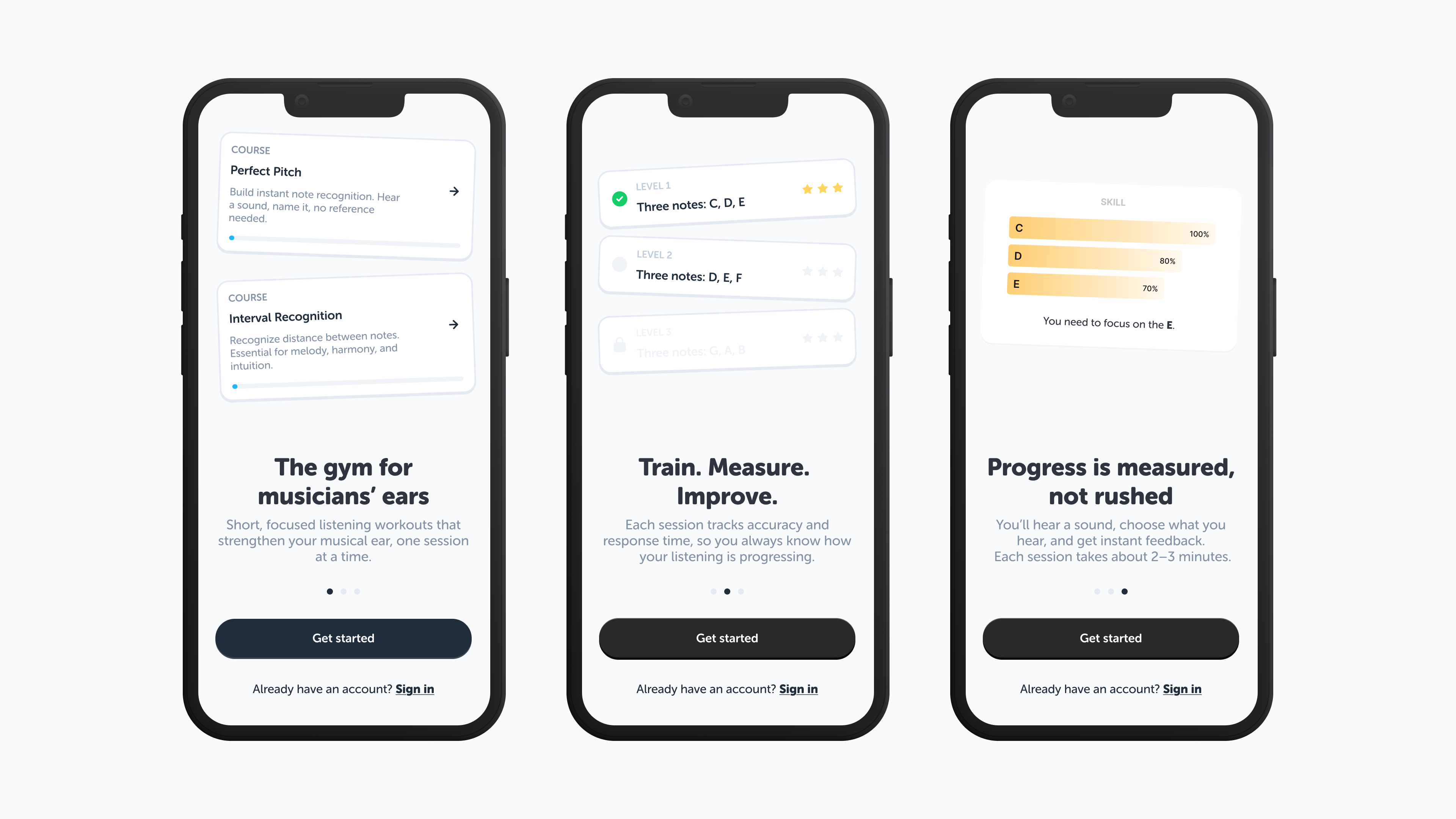
Coco is almost ready to launch, but the real win didn’t come from shipping features faster. It came from structuring a repeatable way to build.
I used Coco as a deliberate testing ground to consolidate my end-to-end workflow: from idea to distribution. The goal wasn’t just to ship a product, but to prove to myself that I can consistently build high-quality apps in a short time, without sacrificing clarity or code quality.
The workflow starts far from code.
It starts with a problem, usually observed in real life. From there, I translate that problem into one or more ideas and move into research. For Coco, this meant mapping competitors across mobile and web, doing deep analysis with tools like ChatGPT and PeterAI, and collecting everything inside a structured Notion database.
Those insights then feed into a first MVP draft, again using ChatGPT. Not as a spec to blindly follow, but as a way to pressure-test assumptions early.
Only then do I move to design.
I use Figma to define the main screens and a lightweight design system. The goal isn’t perfection, but consistency.
Development happens in Cursor, with a clear sequence:
Build design-system components one by one;
Assemble pages using those components;
Implement core functionality (backend + mobile);
Publish early on TestFlight and collect honest feedback;
Add the paywall and start monetizing as soon as possible;
This process is now solid enough that I plan to write a dedicated post about it, including prompts, tools, and Notion templates.
⚠️ If you’re curious to try Coco early, you can join the beta by filling out this short form (3 mins).
Metrics snapshot
Here’s a transparent snapshot at the end of December:
Babytales: €0. Still blocked by an unresolved issue with the printing company.
Coco: €0. Not launched yet.
HeyBloom: still in private mode.
Anapana: 24,981 registered users.
One Million Goal (Revenue to Date): €220,069.80
This Substack has 471 subscribers total (+77 this month).
Reflections
When you’re building with a small team, shipping fast becomes a responsibility, not a side effect.
In the AI era, super-builders make this possible: people who can think strategically, design intuitively, and execute technically without waiting for permission.
But agency is fragile. It doesn’t come from tools alone, it comes from clarity. When direction is missing, people slow down not because they lack autonomy, but because ambiguity forces them to pause and ask what to do next.
That’s why we formalized Anapana’s vision, mission, and North Star. Not to add structure, but to establish clear direction.
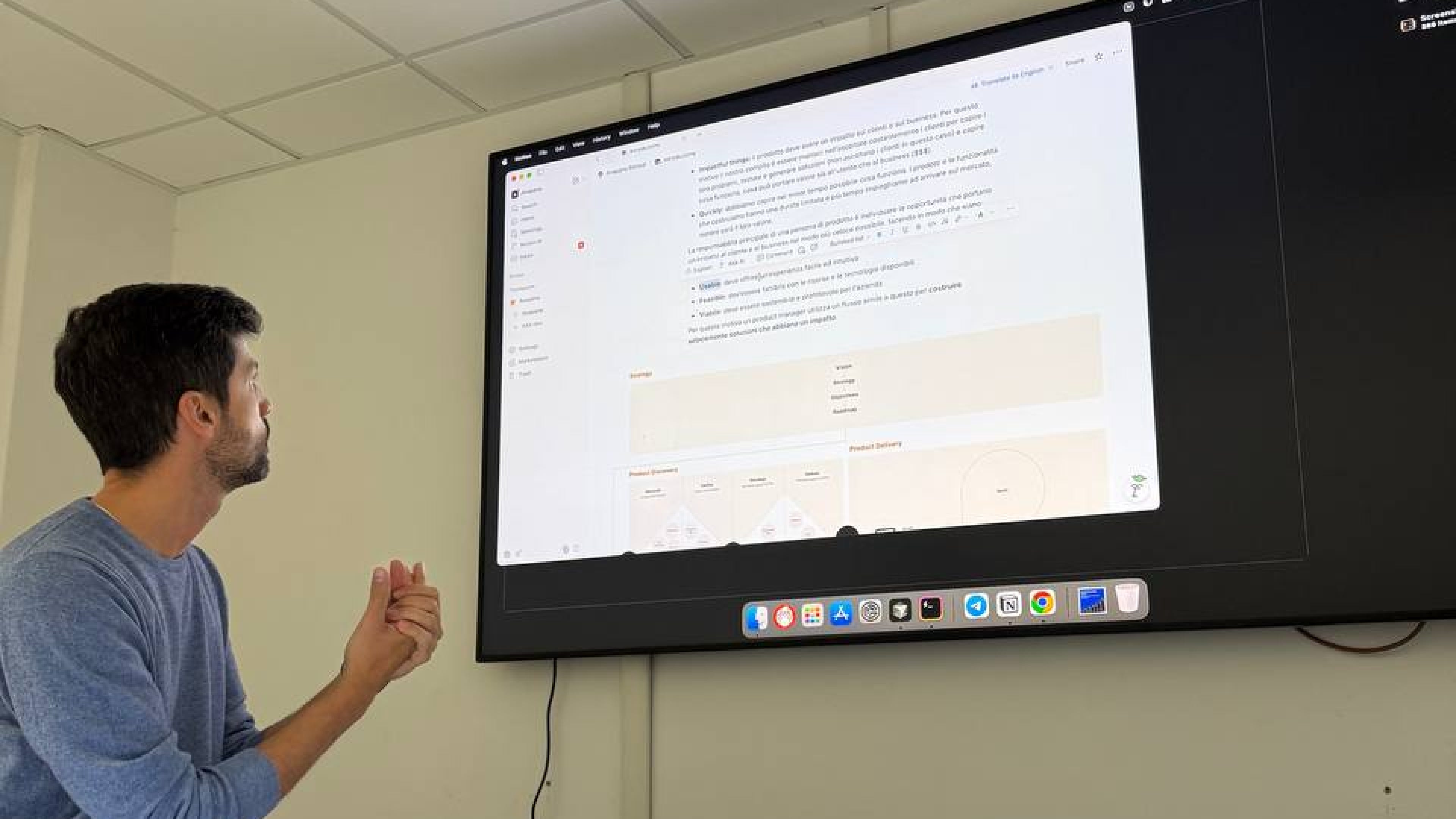
As Anapana started to grow and a micro team formed around it, I felt a familiar tension. Not chaos yet, but the early signals of it. The kind that doesn’t break things immediately, but slowly erodes speed and confidence if left unchecked.
I’ve seen this before.
In many companies, I’ve seen smart, motivated people get stuck not because they lacked skills, but because direction from founders or managers wasn’t clear enough. Decisions slowed down. Alignment moved to meetings. Agency turned into permission.
I didn’t want to repeat that mistake.
This time, I wanted alignment to be explicit, not assumed. Something stable enough that people could use it to decide without asking.
That’s why we clearly defined:
Vision: To make mindfulness a daily, practical skill accessible to everyone. Not a luxury. Not a monk’s ritual. A habit for navigating modern chaos.
Mission: To provide guided, personalized, and accessible tools to improve psychophysical wellbeing, day after day.
North Star Metric: Daily active users who complete at least one conscious action.
This isn’t about control. It’s about freeing agency.
In many ways, this reflection is also about me. After years as a CPTO, being fully hands-on again reminded me how costly misalignment is… and how powerful clarity can be.
What I’ve been reading
For a long time, I optimized my reading for usefulness.
Business books. Product books. Frameworks.
In 2025, I realized that this habit was narrowing my thinking. I wasn’t just learning how to build better products. I was training myself to see the world through a single lens.
So this year I made a deliberate shift.
I didn’t stop reading to get better at business. I started reading to get better at being human.
Some books that stayed with me:
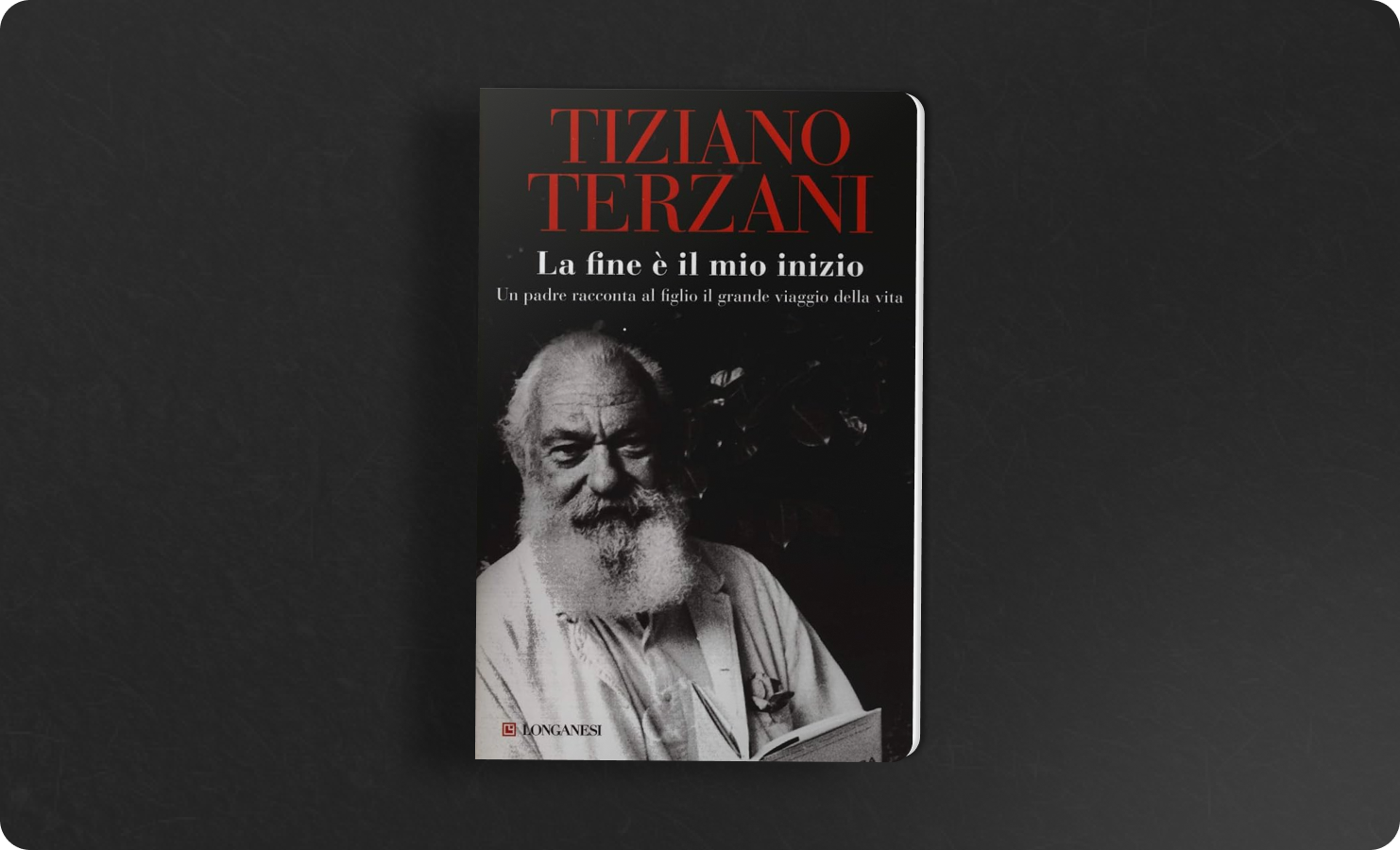
The End Is My Beginning by Tiziano Terzani
This is not a book you read quickly. It’s a conversation about life, death, curiosity, and meaning.
Terzani’s calm perspective puts ambition back into context. Especially when you’re building, it reminds you that urgency is often self-imposed, and that a wider view makes better decisions possible.
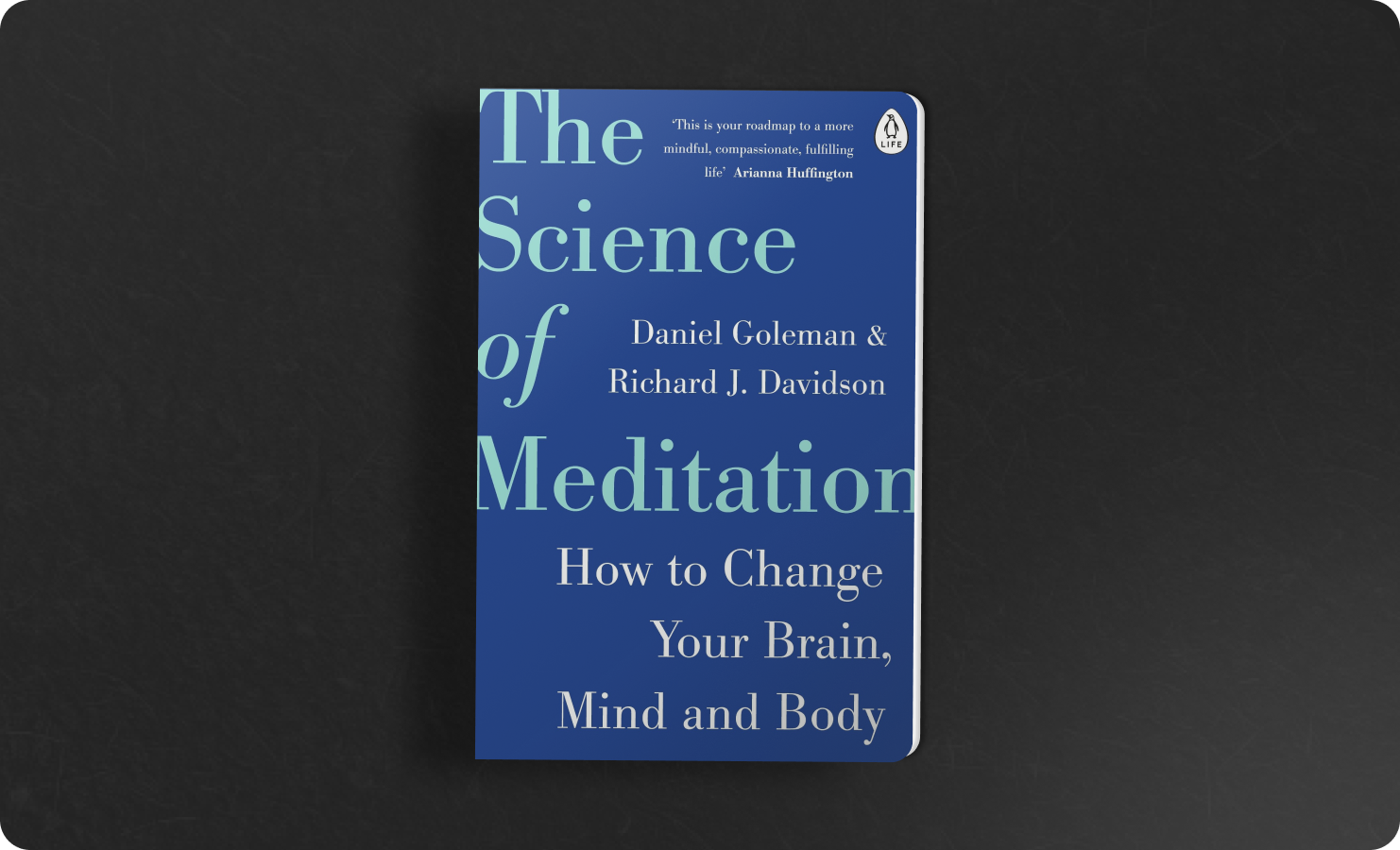
The Science of Meditation by Daniel Goleman
A grounding read for anyone working on mindfulness without wanting to drift into mysticism.
It connects inner practice with neuroscience and measurable effects, reinforcing the idea that awareness is not abstract, but trainable. Reading this while building Anapana felt particularly aligned.
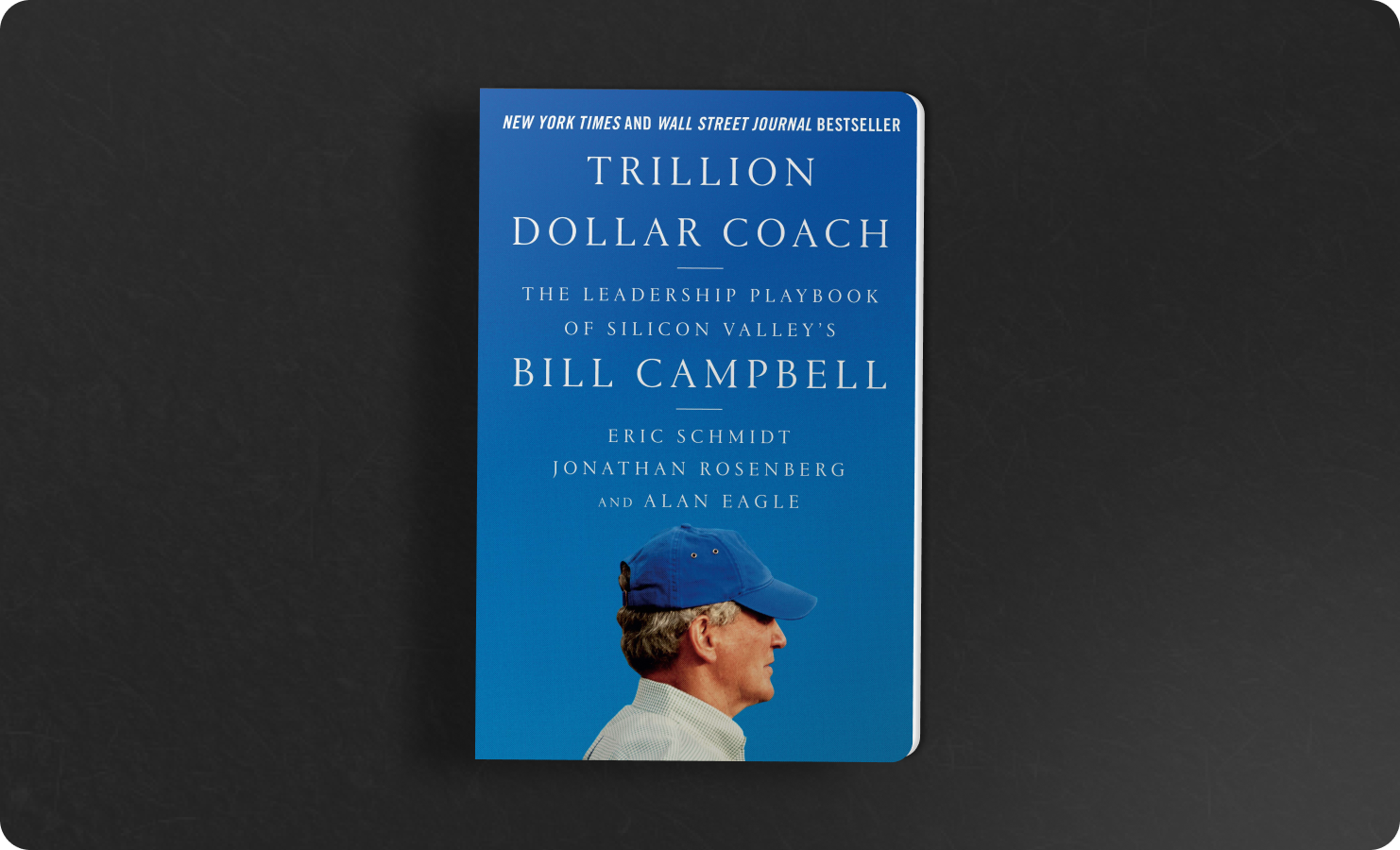
Trillion Dollar Coach by Eric Schmidt, Jonathan Rosenberg, Alan Eagle
Less a leadership manual and more a portrait of how trust scales.
Bill Campbell’s influence came from caring deeply about people while holding them to high standards. It resonated with my desire to build small, high-agency teams without heavy process.
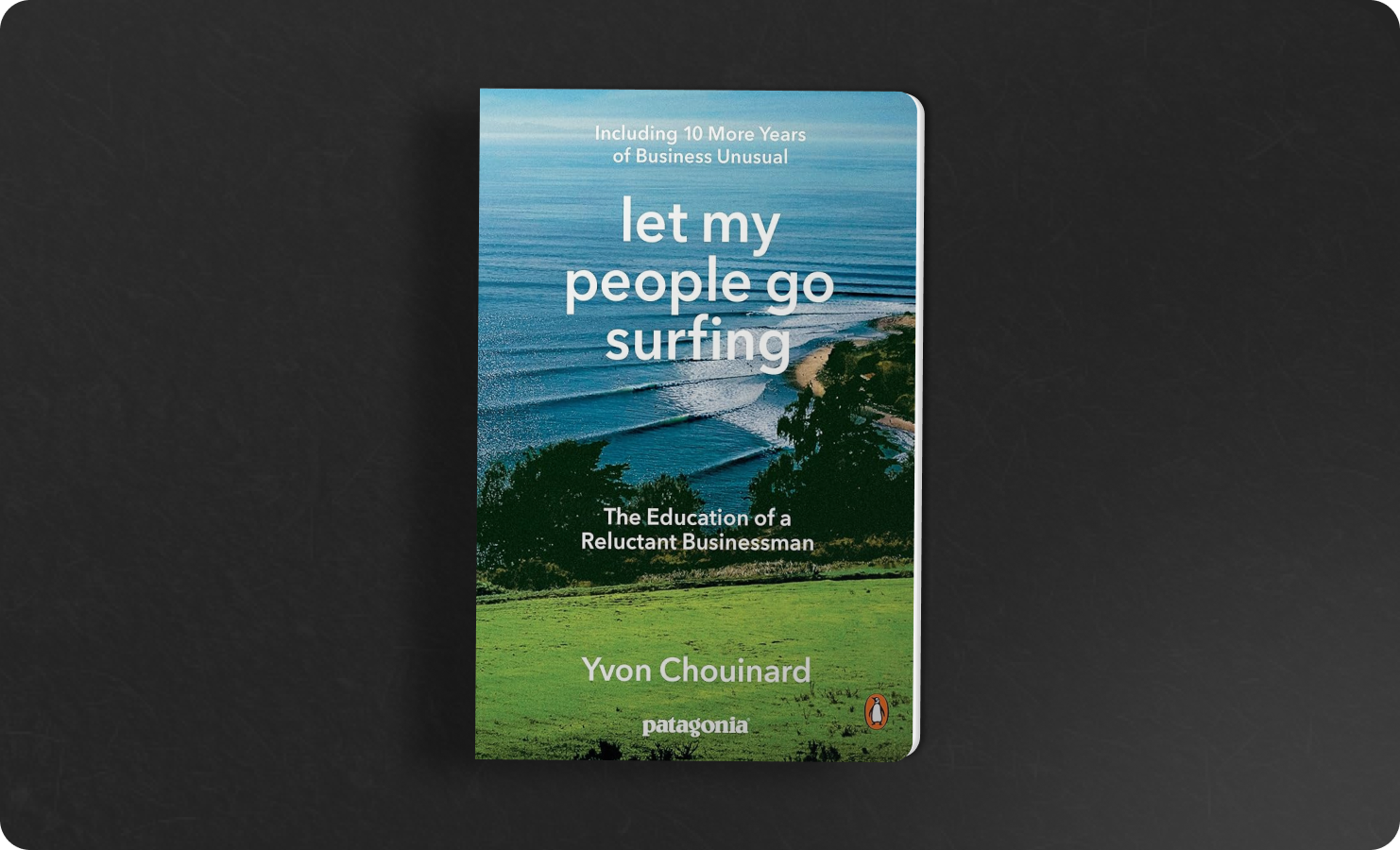
Let My People Go Surfing by Yvon Chouinard
This book quietly challenges the idea that growth requires compromise.
It’s about building a company that reflects a way of living, not the other way around. A strong reminder that values are not something you add later, they’re something you design early.
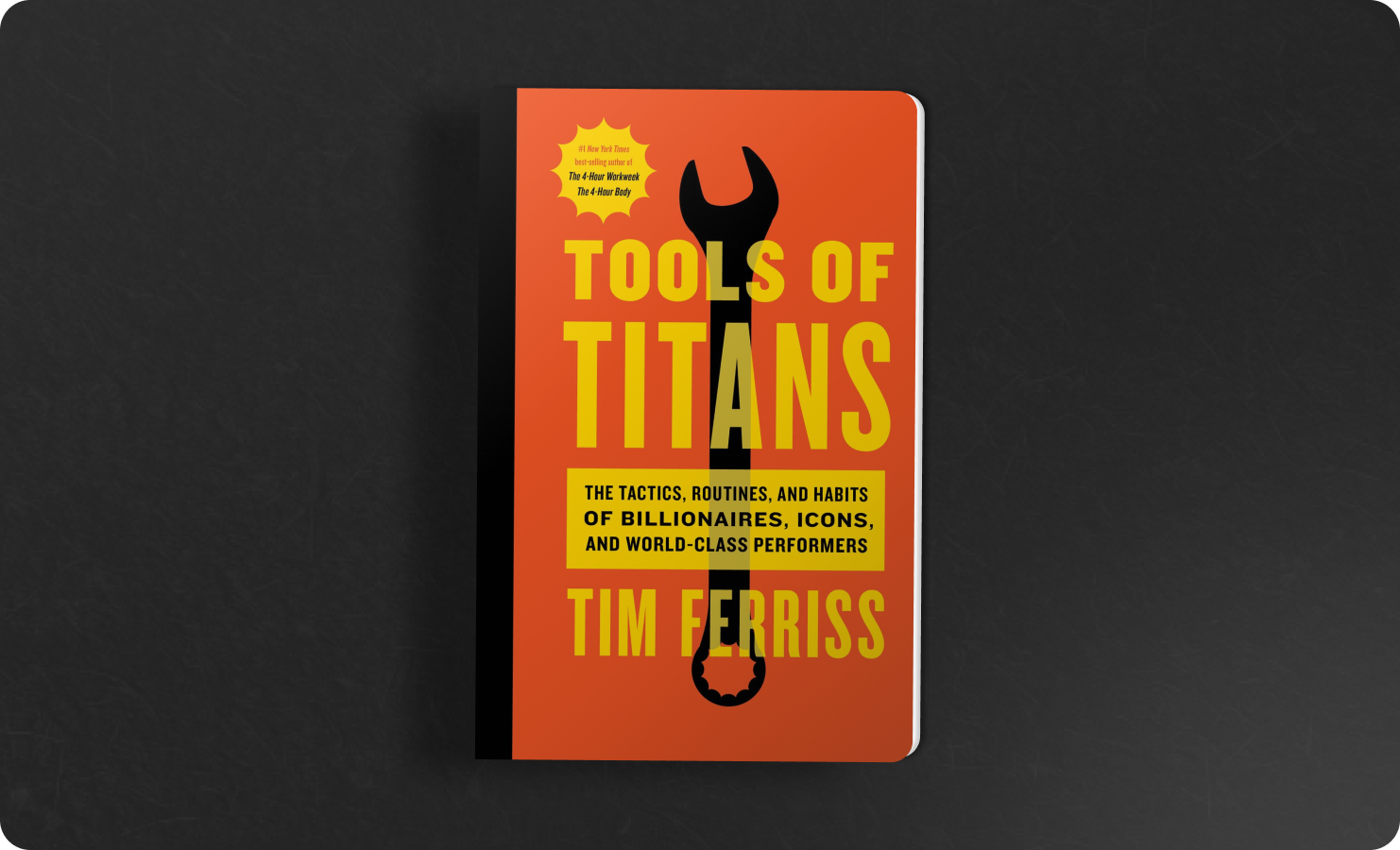
Tools of Titans by Tim Ferriss
Not a book to read cover to cover, but to browse.
What it reinforced for me is that there’s no single path, routine, or formula. People who do interesting things tend to design lives that fit them, not templates they found online.

Bonus: Blue Giant by Shinichi Ishizuka
I’ve always loved manga, and this one genuinely surprised me.
It’s a story about obsession, discipline, and showing up every day for your dream, even when no one is watching. It captures something deeply familiar if you’re building anything long-term: the loneliness of practice, the repetition, and the quiet belief that consistency compounds.
Reading it reminded me that progress often looks boring from the outside, and that commitment matters long before results do.
What’s next
The first priority is Anapana.
Meditation of the Day is ready to become the new center of the experience. It’s the natural consequence of everything we learned this year: less choice, more guidance, more continuity. I’m excited to see how users respond once the app starts answering a single question clearly, every day.
At the same time, I’m preparing to launch Coco. Not just as a new mobile app, but as proof that the workflow I’ve been refining actually works end to end.
Coco is the result of a more structured way of building: clearer research, tighter design systems, cleaner development, and earlier monetization. Launching it feels less like a leap and more like the next logical step.
On the content side, I’m deliberately keeping things simple. I’ll stay active on Substack and LinkedIn, and resist the temptation to expand further for now. Focus is fragile, and I’d rather compound a few channels than dilute my attention across many.
January will be dense, but intentional. Two launches. Real feedback. Fewer abstractions.
As always, I’ll keep sharing the process.
Let’s see where this goes.
It is interesting that working on a meditation app you got stuck on the choice paradox.
Meditation is actually about reducing noise and focus on the present. A meditation app should embrace this same philosophy.